
Residential HVAC services
Find the help that fits your system.
Choose the service closest to what you need. If you are not sure, describe the problem in your request and start there.

How we work
Explain first. Options before any work.
Every visit follows the same order, whatever the service: we listen, we check the equipment, we explain what we found in plain language, and you decide what happens next.
You will know what we found and what the options are before any work begins. If a repair makes sense, we say so. If the age or condition of the system makes replacement worth discussing, we lay out both paths so you can compare them.
Not sure which service fits? Describe what you are noticing in your request. Starting with the symptom is enough; you do not need the right term.
Services
Four services, one way of working.
Each service starts with what you are noticing at home. Here is what each one covers and the signs that usually lead to it.
-
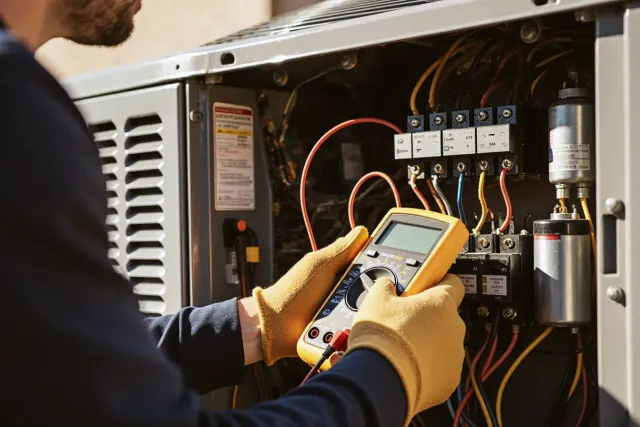
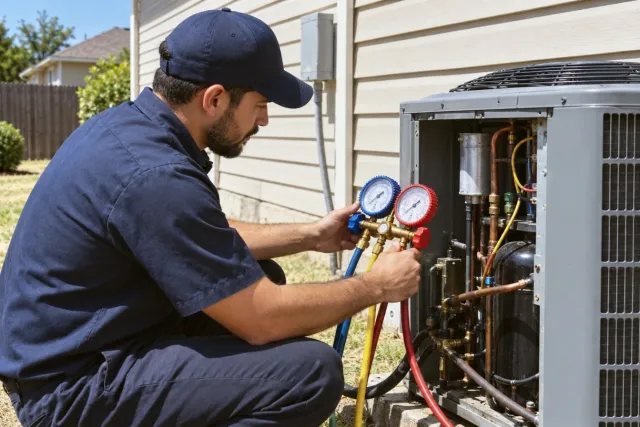
AC Repair
Help with warm air, uneven cooling, unusual noises, and systems that will not start.
Explore AC RepairSigns your AC needs attention
- Warm air from the vents
- New or louder noises
- Ice on the lines or coil
-


AC Installation
Explore replacement options with attention to your home, comfort needs, and installation scope.
Explore AC InstallationWhen a replacement conversation can help
- Repairs keep coming back
- The system is getting older
- Rooms that never cool well
-
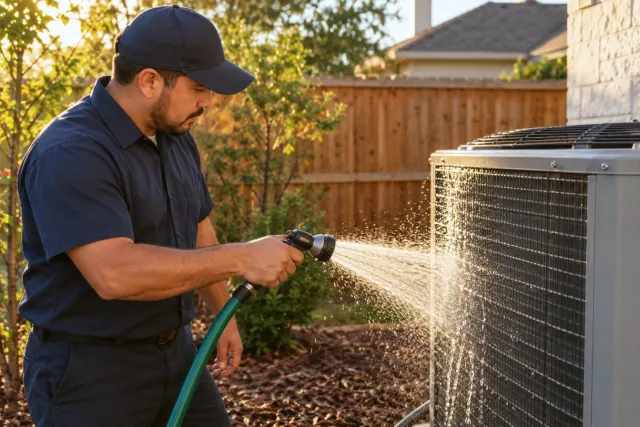
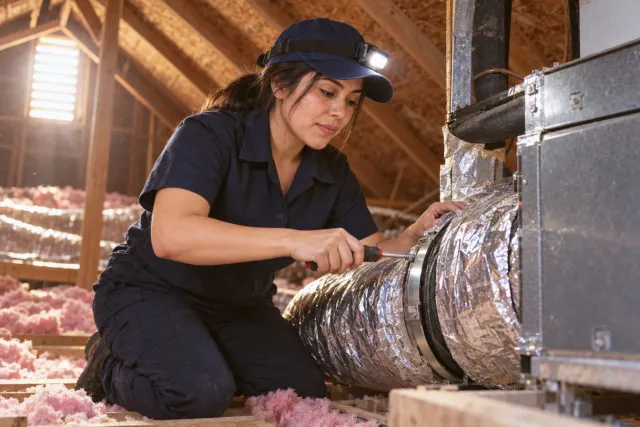
AC Maintenance
Plan a cooling-system check and review equipment condition before small concerns are overlooked.
Explore AC MaintenanceGood reasons to schedule a visit
- The season is about to change
- Airflow feels weaker
- The outdoor unit is dirty or blocked
-
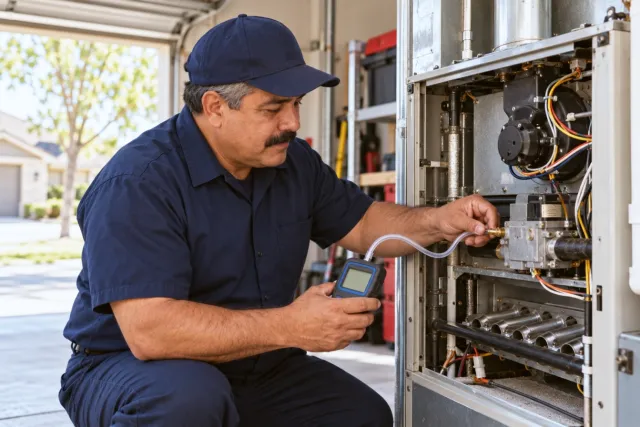
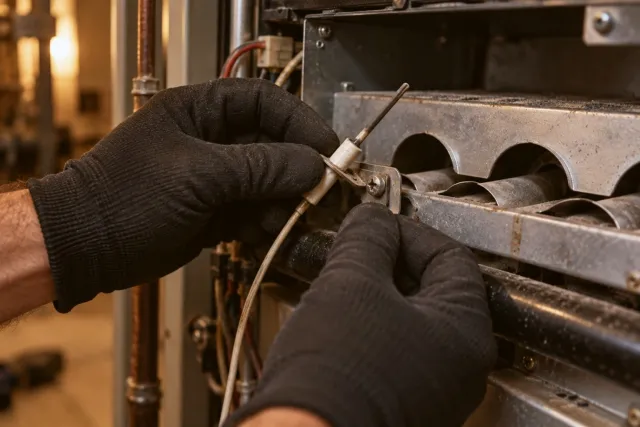
Heating Repair
Request help evaluating a heating system that will not start or is not warming the home as expected.
Explore Heating RepairHeating problems worth discussing
- No heat at all
- Lights, then shuts off
- Some rooms stay cold
Before you ask about price
What affects the cost of HVAC work
We do not quote a price before seeing the equipment, because the same symptom can have very different causes. These are the factors that usually shape the cost.
-
System age and condition
Older equipment can need parts that are harder to find, and its overall condition affects whether a repair or a replacement conversation makes more sense.
-
Access to the equipment
An air handler in a hot attic, a tight closet or a rooftop unit takes more time and care to reach than a unit in an open yard or garage.
-
The part involved
A small electrical part and a major component such as a compressor or coil are very different jobs, even when the symptom looks the same.
-
Refrigerant type
Many older systems use R-22, which has not been produced or imported in the U.S. since 2020, so recharging them costs more. Newer systems use other refrigerants.
-
Ductwork and airflow
Leaky, undersized or crushed ducts can be part of the problem, and fixing airflow is different work from fixing the unit.
-
The scope you choose
Once you know the findings, you decide what happens: the repair on its own, related maintenance, or comparing replacement options first.
Costs are discussed after the equipment has been checked and the findings explained, so you can decide with the full picture.
FAQ
Questions before you request service?
Still unsure?
Describe what you’re noticing in your request. You don’t need the right words or the right service.
View All FAQsDo you offer same-day or emergency service?
We schedule visits based on current availability and the kind of problem, and we tell you the earliest time we can come when we confirm your request. If you smell gas, see smoke or notice a burning odor, leave the home and call your gas utility or 911 first.
Can you tell me the repair cost before a visit?
The cost depends on the cause of the problem and the work required. Ask for the assessment fee and the approval process when arranging service. A repair price should be explained before you authorize the work.
What is included in an AC maintenance visit?
The checklist depends on the equipment and the agreed service. Confirm the operating checks, accessible-component inspection, price, and any exclusions before the visit. Repairs identified during maintenance should be discussed separately.
Do I need to know my heating system type before requesting help?
No. Describe what you notice and share the system type only if you know it. Do not remove equipment panels or attempt a repair to complete the request.

Next step
Let’s make the next step clearer.
Tell us what your system is doing and what kind of help you need. Coverage and appointment details are confirmed after contact.