
AC repair • San Antonio
AC not keeping up? Start with a clear diagnosis.
Warm air, weak airflow, or a system that keeps cycling can make a hot afternoon feel much longer. Tell us what you’re noticing so we can help you plan the next step.
Signs
Signs your AC needs attention
Most AC problems show up before the system stops altogether. These are the signs homeowners notice most, and what each one usually points to.
-
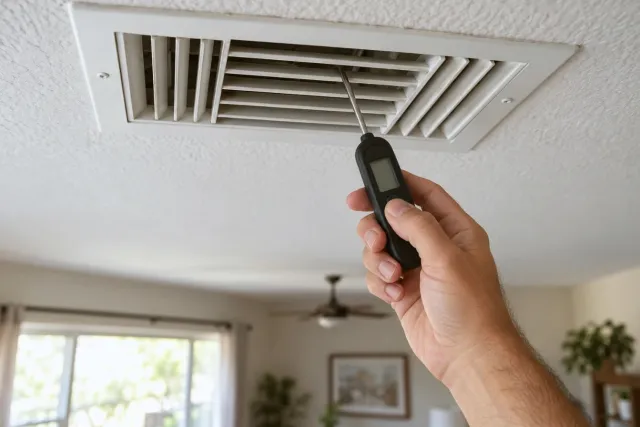
Warm air from the vents
Often an electrical part at the outdoor unit, such as a capacitor or contactor, a low refrigerant charge from a leak, or a dirty coil. First check that the thermostat is set to cool.
-
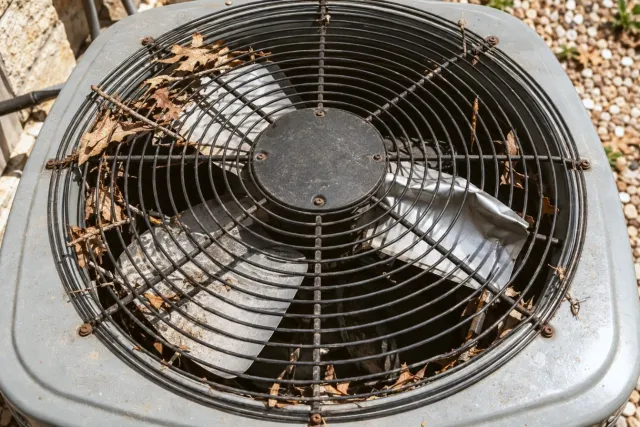
New or louder noises
Rattling, buzzing or grinding can point to a loose panel, a worn fan motor, debris in the fan, or an electrical part that is starting to fail.
-
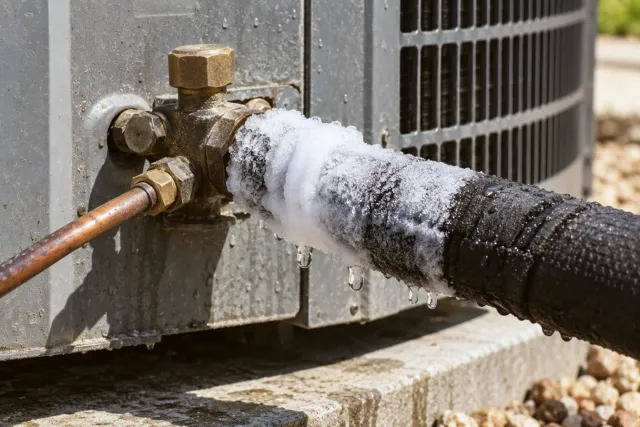
Ice on the lines or coil
Usually restricted airflow, such as a clogged filter or blocked return, or low refrigerant. Switch cooling off so it can thaw, and tell us what you saw.
-

Starts and stops every few minutes
Short cycling can come from the thermostat, an electrical fault, the refrigerant charge or a system that is too large for the home. It also wears parts faster.
-

Water near the indoor unit
Most often a clogged condensate drain line or a full drain pan. Water can damage ceilings and floors, so it is worth checking soon.
Inside the outdoor unit
What we check on your condenser
Many AC repairs happen at the outdoor unit. Choose a number to see what each part does and what a technician looks for.
-
Capacitor
Stores and releases the electrical charge that helps the compressor and fan motors start and keep running. Capacitors wear out, and summer heat is hard on them. We test it against its rated value and look for bulging or leaks.
-
Contactor
A switch that sends power to the outdoor unit when the thermostat calls for cooling. Worn or burned contacts can stop the unit from starting or from shutting off. We check it for wear, and for insects or debris between the contacts.
-
Condenser fan motor
Pulls air across the outdoor coil to carry heat out of your home. If the fan stops, the system can overheat and shut itself off. We check the motor, its bearings and the blade.
-
Condenser coil
The thin fins around the unit release the heat taken from inside. Dirt, grass clippings and bent fins reduce airflow and efficiency. We inspect the coil and tell you whether it needs cleaning.
-
Refrigerant lines
The larger insulated line brings refrigerant vapor back from the indoor coil; the smaller line carries liquid refrigerant to it. We look for damaged insulation and oily spots that suggest a leak, and check pressures with gauges.
The visit
How an AC repair visit works
A service visit starts with your description of the problem and an assessment of the equipment. The goal is to identify what is affecting operation, explain the findings in everyday language, and discuss the proposed work before you decide.
Some problems may be repairable; others may call for a broader conversation about the system’s condition. We will not promise a repair price or outcome before the equipment is evaluated. If replacement is worth considering, you can review that option too.
Use the request form to describe what changed and when you first noticed it. For service in San Antonio, your ZIP code helps start the coverage conversation. Appointment availability is confirmed after contact.
-

We listen first
You describe what the system is doing and when it started. Details such as sounds, smells or water help narrow the cause before a panel comes off.
-

We find the cause
We check the thermostat, the electrical parts, airflow and refrigerant pressures to find the cause, not just the symptom.
-

We explain your options
You see what we found, in plain language, with the repair options and what each involves. Nothing is done until you decide.
-
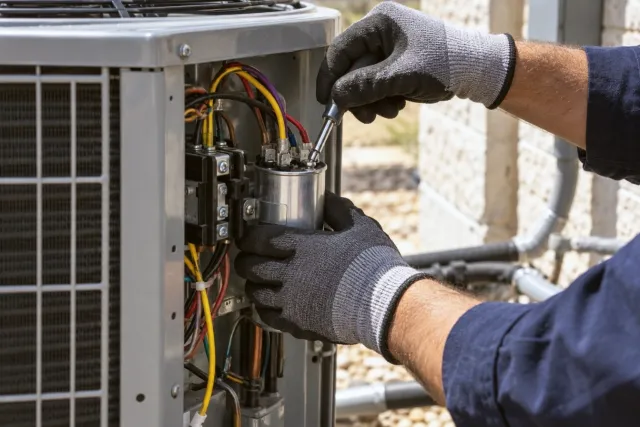
We repair and test
Once you approve the work, we make the repair, then run the system and walk you through what we did.
Cost
What affects the cost of an AC repair
-
The part that failed
A capacitor or contactor is a small, common repair. A fan motor, a coil or the compressor is a much bigger job, even when the symptom looks the same.
-
System age and condition
On an older system, parts can be harder to find, and the overall condition shapes whether repair or replacement is the better conversation.
-
Refrigerant type
Many older systems use R-22, which has not been produced or imported in the U.S. since 2020. Finding and fixing a leak comes before any recharge.
-
Access to the equipment
A condenser in a tight side yard or an air handler in a hot attic takes more time to reach and work on safely.
-
Airflow and ductwork
When restricted airflow is part of the cause, such as a blocked return or crushed duct, fixing it is part of the job.
We will not promise a repair price or outcome before the equipment is evaluated; costs are discussed once you have seen the findings.

We explain what we find before any work starts.
Reviews
What homeowners say after the visit.
The technician showed me the worn capacitor and explained why the AC was blowing warm air before he replaced anything. Clear and unhurried.
1–1 of 1
FAQ
Questions before you request service?
Still unsure?
Describe what you’re noticing in your request. You don’t need the right words or the right service.
View All FAQsCan you tell me the repair cost before a visit?
The cost depends on the cause of the problem and the work required. Ask for the assessment fee and the approval process when arranging service. A repair price should be explained before you authorize the work.
Do you offer same-day or emergency service?
We schedule visits based on current availability and the kind of problem, and we tell you the earliest time we can come when we confirm your request. If you smell gas, see smoke or notice a burning odor, leave the home and call your gas utility or 911 first.
Related services
-
Cooling · Replacement

AC Installation
Explore replacement options with attention to your home, comfort needs, and installation scope.
When it helps
- You’re weighing another repair against replacing
- You want options before a breakdown decides for you
-
Cooling · Planned visit
AC Maintenance
Plan a cooling-system check and review equipment condition before small concerns are overlooked.
When it helps
- Before the first long run of hot days
- You’ve noticed a small change and want it checked

Next step
Let’s make the next step clearer.
Tell us what your system is doing and what kind of help you need. Coverage and appointment details are confirmed after contact.