
Heating repair • San Antonio
When the heat is uneven, get a clearer next step.
If your heating system will not start, cycles unexpectedly, or leaves rooms uncomfortable, describe the issue and request an assessment.
Signs
Heating problems worth discussing
San Antonio does not need heat often, which is why problems tend to show up on the first cold morning. These are the common ones.
-
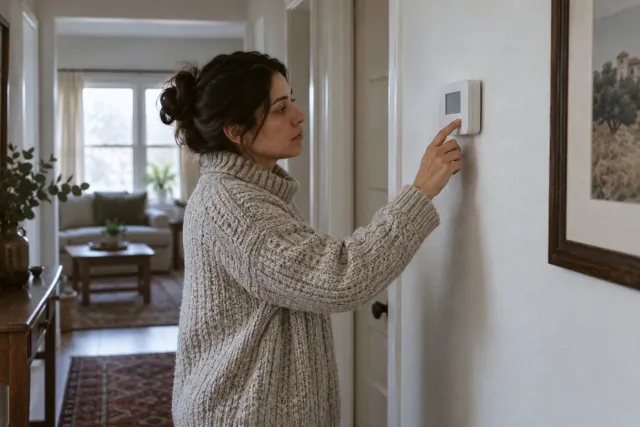
No heat at all
Check the thermostat is set to heat and has power, and that the filter is not blocked. If it still will not start, the cause is often ignition, a safety switch or the control board.
-
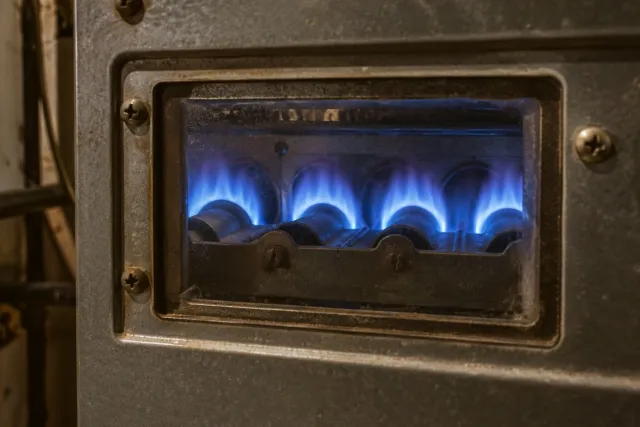
Lights, then shuts off
Burners that light and go out within seconds often point to a dirty flame sensor. A restricted filter can also trip a safety switch.
-
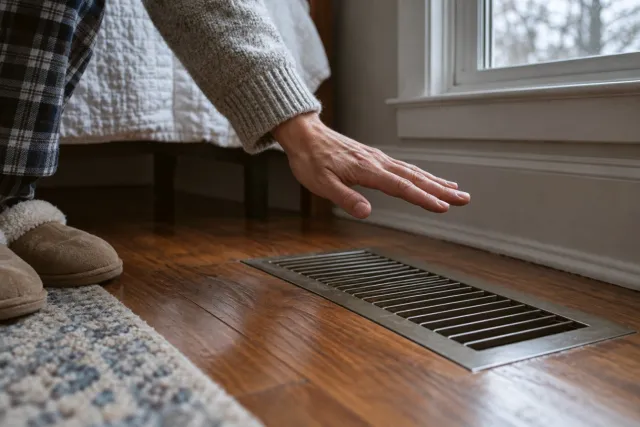
Some rooms stay cold
Uneven heat usually comes from airflow: closed or blocked registers, duct leaks, or a blower that is not moving enough air.
-

New noises when the heat runs
Squealing, rattling or a loud bang at start-up can point to the blower, a loose panel or delayed ignition. Worth a look before the next cold snap.
-

A smell at first start
A dusty smell the first time the heat runs in a season is common and should fade quickly. If it does not, or it smells like burning plastic, switch the system off. If you smell gas, leave the home and call your gas utility.
Inside the furnace
What we check on your furnace
Most gas furnace repairs come down to a few parts. Choose a number to see what each one does and what a technician looks for.
-
Igniter
Most modern gas furnaces light the burners with a hot surface igniter that glows like a filament. Igniters are brittle and wear out; a cracked one stops the furnace from lighting. We test it and inspect it without touching the element.
-
Flame sensor
A thin metal rod in the burner flame that confirms the burners are lit. When it is coated, the furnace can light and then shut off within seconds. We check and clean it, and look for why it got dirty.
-
Limit switch
A safety switch that turns the burners off if the furnace gets too hot, often because airflow is restricted. A furnace that keeps tripping it is telling you something; we find out why rather than bypassing it.
-
Blower
Moves air across the heat exchanger and through your ducts. A dirty wheel, worn bearings or a failing motor or capacitor reduce airflow and comfort. We check the motor, the wheel and the airflow.
-
Filter
Cleans the air before it reaches the blower. A clogged filter restricts airflow, which can overheat the furnace and trip the limit switch. We check it and tell you how often yours needs changing.
The visit
How a heating repair visit works
Tell us what kind of system you have if you know it, and what happens when you try to use it. A technician’s assessment can help identify the issue and establish the appropriate repair scope. You do not need to diagnose the fault yourself.
The proposed work, parts availability, price, and timing need to be confirmed after the equipment is evaluated. This request form is not an emergency dispatch service.
For service in San Antonio, share your ZIP code so coverage and appointment availability can be confirmed.
If you suspect an immediate safety hazard, move to a safe location and contact the appropriate emergency service or utility. Do not wait for a website response.
-
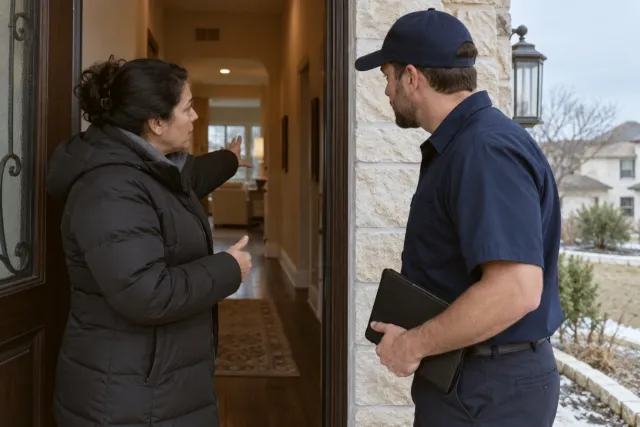
We listen first
What the system does when you call for heat, when it started, and anything you have seen, heard or smelled.
-

Safety checks first
Venting, gas connections and the safety controls are checked before anything else, especially on a gas furnace.
-
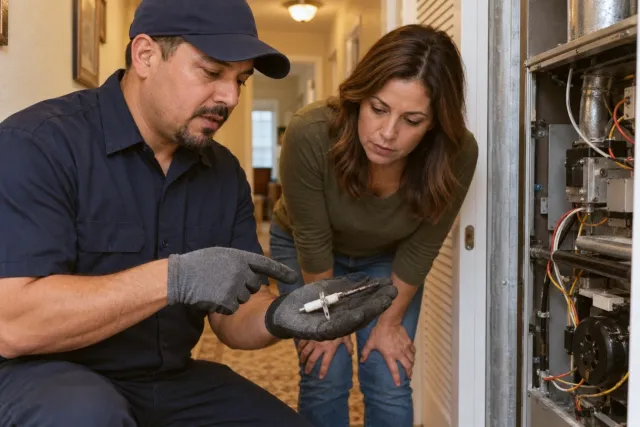
We explain your options
You see what we found and what each option involves. Nothing is done until you decide.
-
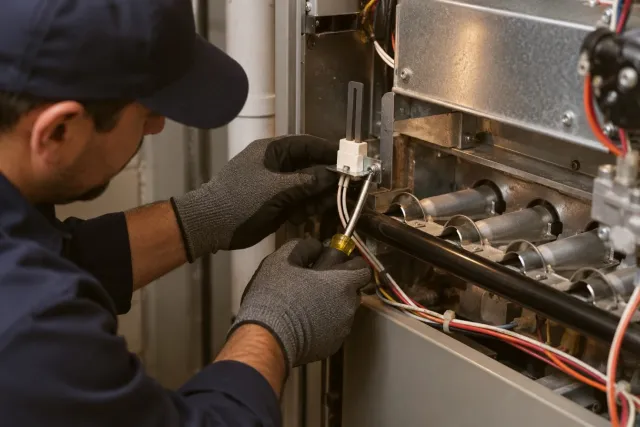
We repair and test
Once you approve the work, we make the repair, run the system through a full heating cycle and walk you through it.
Cost
What affects the cost of a heating repair
-
Type of system
A gas furnace, an electric furnace and a heat pump in heating mode fail in different ways and use different parts.
-
The part involved
Cleaning a flame sensor is a small job; a blower motor, control board or gas valve is a bigger one.
-
Age and condition
On older furnaces, parts can be harder to find, and the heat exchanger’s condition matters for any decision.
-
Where the furnace is
Many San Antonio furnaces sit in attics, which takes more time and care than a hallway closet.
The proposed work, parts availability, price and timing are confirmed after the equipment is evaluated.
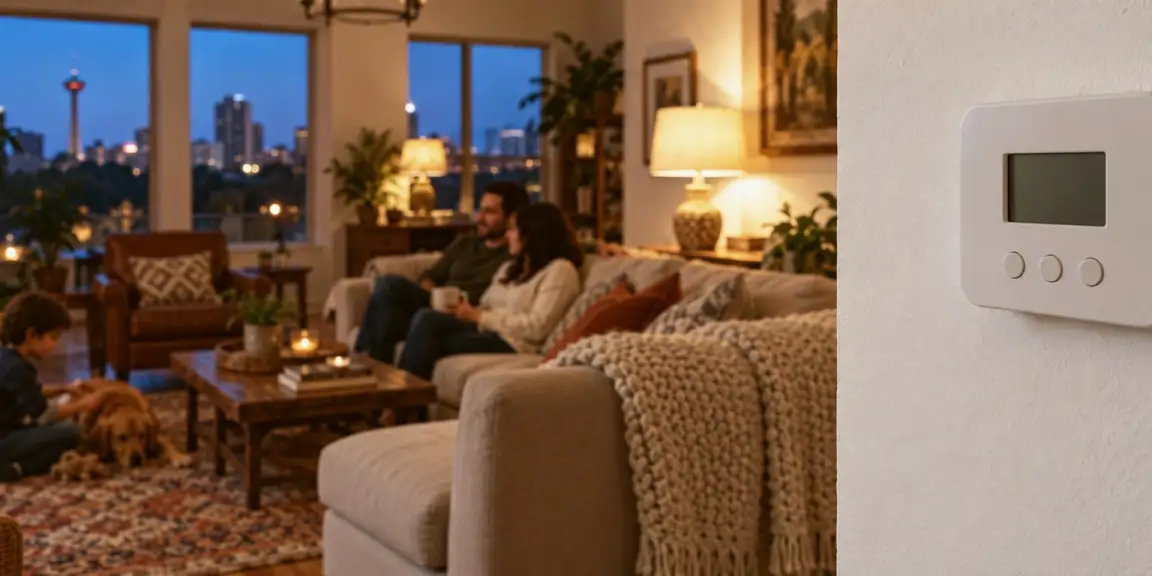
When the heat stops, safety comes first.
Reviews
What homeowners say after the visit.
Our heater kept shutting off. He found a dirty flame sensor, cleaned it, and showed us what to watch for next winter.
1–1 of 1
FAQ
Questions before you request service?
Still unsure?
Describe what you’re noticing in your request. You don’t need the right words or the right service.
View All FAQsDo I need to know my heating system type before requesting help?
No. Describe what you notice and share the system type only if you know it. Do not remove equipment panels or attempt a repair to complete the request.
Do you offer same-day or emergency service?
We schedule visits based on current availability and the kind of problem, and we tell you the earliest time we can come when we confirm your request. If you smell gas, see smoke or notice a burning odor, leave the home and call your gas utility or 911 first.
Related services
-
Cooling · Repair
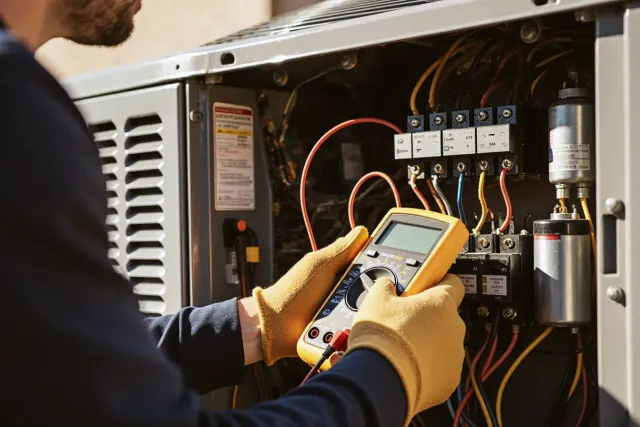
AC Repair
Help with warm air, uneven cooling, unusual noises, and systems that will not start.
Common signs
- Air from the vents feels warmer than expected
- Some rooms stay warm while others cool
-
Cooling · Planned visit
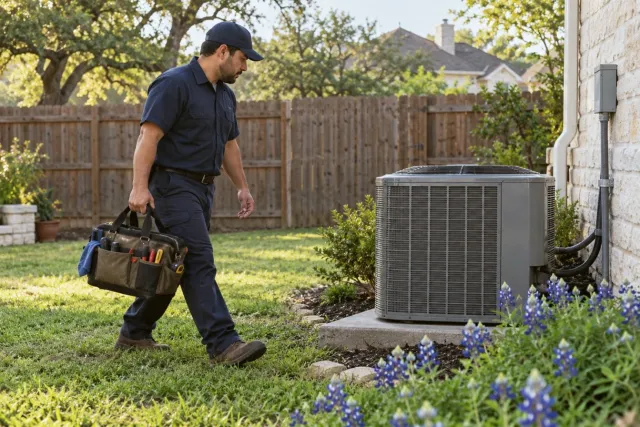
AC Maintenance
Plan a cooling-system check and review equipment condition before small concerns are overlooked.
When it helps
- Before the first long run of hot days
- You’ve noticed a small change and want it checked
Next step
Let’s make the next step clearer.
Tell us what your system is doing and what kind of help you need. Coverage and appointment details are confirmed after contact.