
AC installation • San Antonio
Plan your next AC system around your home.
Replacing an air conditioner is a decision you should understand. Start with your home’s comfort needs, the condition of your current system, and the options worth comparing.
Signs
When a replacement conversation can help
None of these means you need a new system. Together, they are the usual reasons homeowners start comparing another repair with replacing the equipment.
-

Repairs keep coming back
One repair is normal. Several in a couple of years, or a major part failing, is a good moment to compare the cost of keeping the system with replacing it.
-

The system is getting older
Older equipment can be harder to find parts for and is usually less efficient than current systems. Age alone is not a reason to replace, but it belongs in the conversation.
-
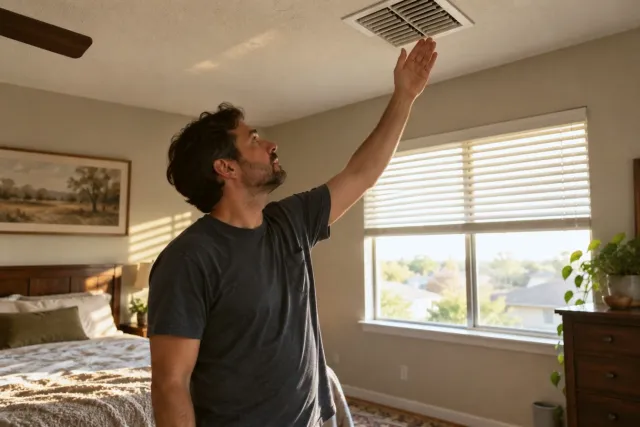
Rooms that never cool well
Rooms that have always been warm can point to sizing, airflow or ductwork. A replacement is the time to look at those, not just the unit.
-
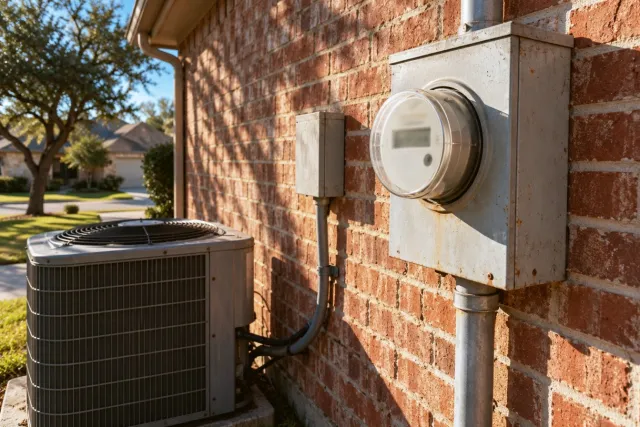
Cooling bills creeping up
Rising bills can come from a system losing efficiency, a refrigerant leak or duct losses. A visit can tell you which before you decide anything.
-
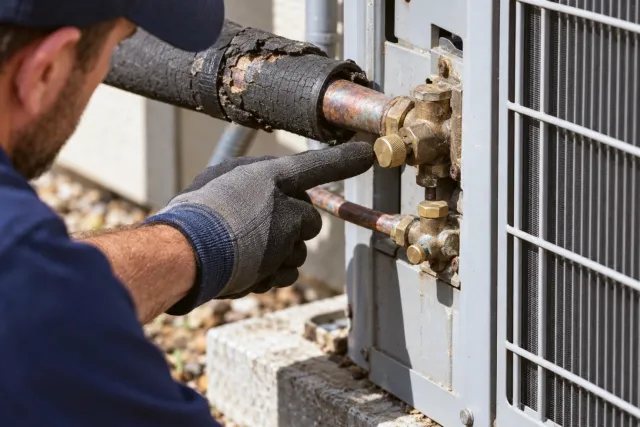
An older refrigerant
Many systems installed before 2010 use R-22, which has not been produced or imported in the U.S. since 2020. A leak in one of these is often where the replacement question starts.
Repair or replace?
A quick way to think it through
Four questions, no sign-up. Your answers stay on this page; they only suggest where to start the conversation.
Installation
What a proper installation includes
Good equipment installed poorly will not perform as rated. These are the parts of an installation worth asking any installer about, us included.
-
A load calculation
The system is sized for your home (insulation, windows, sun and ducts), not copied from the size of the old unit.
-
A look at the ductwork
Leaks, crushed runs or undersized returns limit any new system, so they are checked before equipment is chosen.
-
Matched indoor and outdoor parts
The outdoor unit, indoor coil and furnace or air handler are selected to work together as a rated combination.
-
Refrigerant lines done right
Line sets are replaced or cleaned and pressure-tested, then evacuated before the system is charged.
-
The charge checked against the manufacturer’s specification
Refrigerant charge and airflow are measured at start-up, not guessed.
-
Drainage and safety switches
The condensate drain is pitched and trapped, with a float switch where the equipment needs one.
-
Electrical and permits
Disconnect, wiring and breaker are sized for the new equipment, with permits and inspections where they are required.
-
A walkthrough when it is done
You see the thermostat settings, where the filter goes and how often to change it, and the manufacturer’s registration and terms.
Manufacturer warranty terms vary by brand and usually depend on registration; ask for them in writing with your options.
The process
How a replacement comes together
A replacement conversation starts with your home, the existing equipment, airflow and installation requirements. The system you choose should follow that assessment, not a guess based on the size of the old unit alone.
Ask us for a written explanation of the proposed equipment, the installation work, what is included and excluded, and any manufacturer terms. Pricing, permits, equipment availability and timing depend on the actual project and are confirmed before work begins.
Tell us whether you are planning ahead or dealing with a system that has stopped cooling. You do not need to choose a model before requesting a conversation.
For service in San Antonio, share your ZIP code so coverage and appointment availability can be confirmed.
-
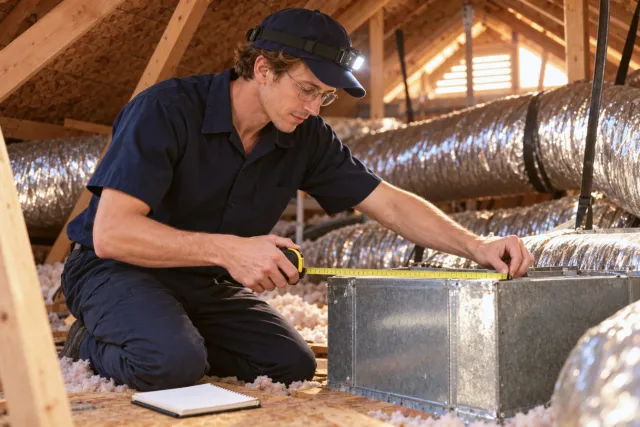
We look at the whole system
Your home, the existing equipment, the ductwork and what has not been working. That is the basis for every option.
-

You compare options
Options are explained side by side: what each system is, what the installation involves, and what is included and excluded.
-

We install it
The old equipment is removed, the new system is set, lines and drains are run, and the work area is left clean.
-

We start it up and check it
Charge, airflow and safety controls are checked at start-up, and you get a walkthrough of the system before we leave.
Cost
What affects the cost of a new system
-
Size and efficiency
A larger system or a higher SEER2 rating costs more to buy; a higher rating can cost less to run. The load calculation decides the size.
-
Type of system
Replacing the outdoor unit only, a full split system, a heat pump or a ductless system are very different projects.
-
Ductwork and access
Ducts that need repair or resizing, an attic installation or a tight side yard add time and materials.
-
Electrical and refrigerant lines
A new disconnect, breaker or line set may be needed, depending on what is there today.
-
Permits and inspections
Where a permit and inspection are required, they are part of the job and part of the price.
Pricing, permits, equipment availability and timing depend on the actual project and are confirmed before work begins.

Choose the system after the assessment, not before.
Reviews
What homeowners say after the visit.
We talked through repairing the old unit versus replacing it, with the trade-offs of each laid out plainly and no pressure either way.
FAQ
Questions before you request service?
Still unsure?
Describe what you’re noticing in your request. You don’t need the right words or the right service.
View All FAQsShould I repair my AC or replace it?
That decision depends on the equipment’s condition, repair scope, comfort needs, and replacement options. An assessment can help you compare those factors. The AC Installation page explains what to discuss in a replacement estimate.
What should an installation estimate explain?
Ask for the proposed equipment, installation scope, included and excluded work, price, timing, and applicable manufacturer terms. Confirm any permit requirements and who is responsible for them before work begins.
Related services
-
Cooling · Repair
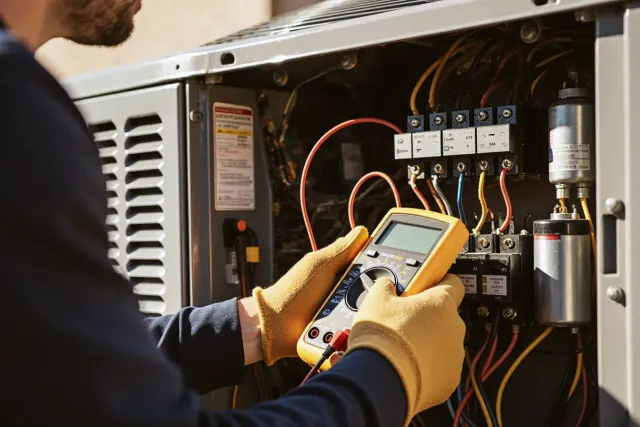
AC Repair
Help with warm air, uneven cooling, unusual noises, and systems that will not start.
Common signs
- Air from the vents feels warmer than expected
- Some rooms stay warm while others cool
-
Cooling · Planned visit
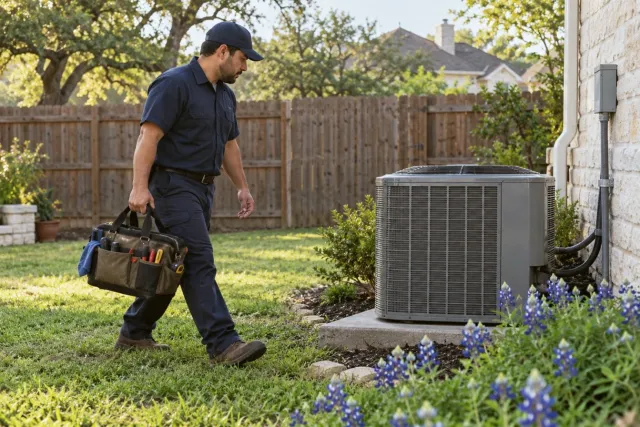
AC Maintenance
Plan a cooling-system check and review equipment condition before small concerns are overlooked.
When it helps
- Before the first long run of hot days
- You’ve noticed a small change and want it checked
Next step
Let’s make the next step clearer.
Tell us what your system is doing and what kind of help you need. Coverage and appointment details are confirmed after contact.