
Maintenance
What happens during an AC maintenance visit
A maintenance visit is an operating check, a look at the parts that wear and a conversation about condition. Here is what usually happens, and what it can and cannot do.
Most manufacturers recommend professional maintenance once a year, and some warranties ask for it. But what actually happens during a visit? Here is the usual order, so you know what to expect and what to ask.
It starts with a conversation
A good visit begins by asking how the system has been behaving: any rooms that feel different, new noises, water near the indoor unit, higher bills or anything else you have noticed. Those details point the technician to the right places to look.
The thermostat
The technician checks that the thermostat is set correctly, that it calls for cooling when it should, and that the system responds. On older thermostats, the batteries and wiring are worth a look.
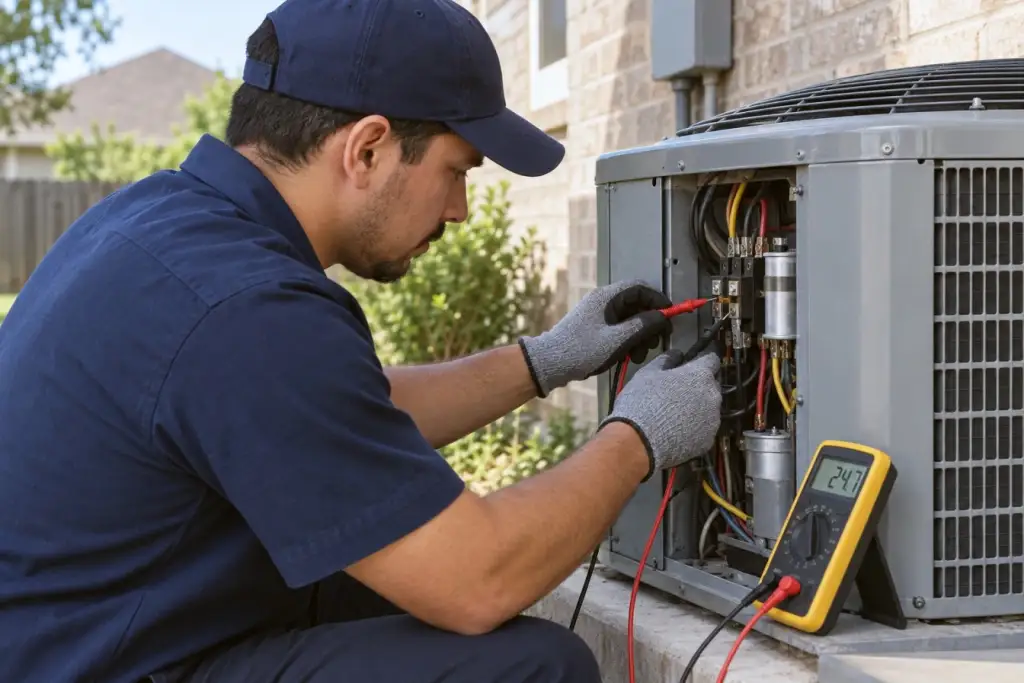
The outdoor unit
- Electrical parts. Connections are checked and tightened, and the capacitor and contactor are tested or inspected for wear. These are the parts that most often cause a no-cool call in summer.
- The coil. The fins are inspected for dirt, debris and damage. Depending on the visit, the coil may be rinsed.
- The fan. The fan motor and blade are checked for wear and balance.
- Refrigerant performance. Pressures and temperatures are measured as a check on the charge. A low charge points to a leak, which is separate work.
The indoor unit
- Filter. Its condition and size, and how often yours needs changing.
- Blower and airflow. The blower motor and wheel, and the airflow at the system.
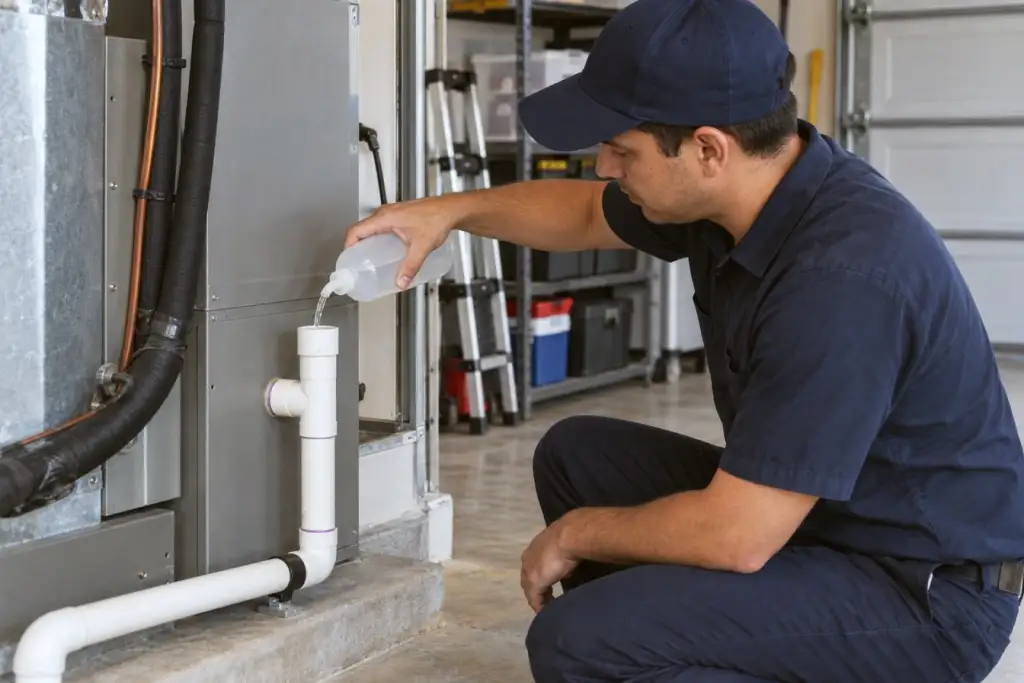
- Indoor coil and drain. The coil where it is accessible, the drain pan and the condensate line. In a humid climate, clearing a slow drain before it overflows is one of the most useful things a visit does.
The most useful part of a maintenance visit is often the small thing caught before it became a big one.
The conversation at the end
At the end, you should hear what was found, in plain language: what is in good shape, what is wearing, and anything worth planning for. If a repair is needed, it should be explained, with its cost, before you approve it. Maintenance and repair are separate decisions.
What maintenance can and cannot do
Regular maintenance helps a system run as designed and catches wear early. It does not guarantee that equipment will never fail, and it does not promise lower bills. What it does do is reduce surprises: a weak capacitor replaced in April is far less disruptive than a failure in August.
What you can do between visits
- Check the filter monthly and change it when it is dirty.
- Keep about two feet of space clear around the outdoor unit.
- Keep supply vents and return grilles open and unblocked.
- Pay attention to new sounds, smells or water, and mention them at the next visit or sooner.
When to schedule
For cooling, spring is the best time, before the long season begins and before the busiest weeks for service companies. If your home also has a gas furnace or heat pump, a heating check in the fall, before the first cold front, completes the year.
Common questions
How long does a maintenance visit take?
It depends on the system, how easy it is to reach, and what the technician finds. An air handler in a hot attic takes longer than one in a garage closet, and a system with two indoor units takes longer than one. The scope is confirmed when the visit is arranged.
Do I need to be home?
Usually someone needs to let the technician in, especially when the indoor unit or thermostat is inside the house. It is also the best chance to mention anything you have noticed and to hear what was found.
Is a maintenance visit the same as a tune-up?
People use the words loosely. What matters is what is actually checked. Ask for the checklist, and ask whether cleaning the coil or clearing the drain is part of the visit or separate work.
What if the technician finds a problem?
They should explain what they found, why it matters and what the options are, with the cost, before any repair is done. You can decide then, or take time to think about it. Maintenance and repair are separate decisions.
What can I do between visits?
Check the filter monthly and change it when it looks dirty. Keep plants, fences and stored items about two feet back from the outdoor unit so it can breathe, and clear leaves and grass clippings from around it. Pour nothing into the condensate drain unless a technician has shown you how. If the system starts to sound, smell or behave differently, note when it happens; that detail is useful at the next visit.
Is maintenance worth it on a new system?
Yes. A new system still collects dust on its coils and in its drain, and its filter still needs changing. Many manufacturers also expect regular professional maintenance, and some warranty terms mention it, so it is worth reading the warranty paperwork that came with the system and keeping records of each visit.
Does the heating side need maintenance too?
Yes. A furnace or heat pump has its own checks: burners, flame sensor, ignition, venting and safety controls for a gas furnace, and the defrost and reversing parts for a heat pump. Many homeowners book cooling maintenance in spring and heating maintenance in fall, so each part is checked before its busy season.
Related service
AC Maintenance
Plan a cooling-system check and review equipment condition before small concerns are overlooked.
More from the Journal
-
 Maintenance
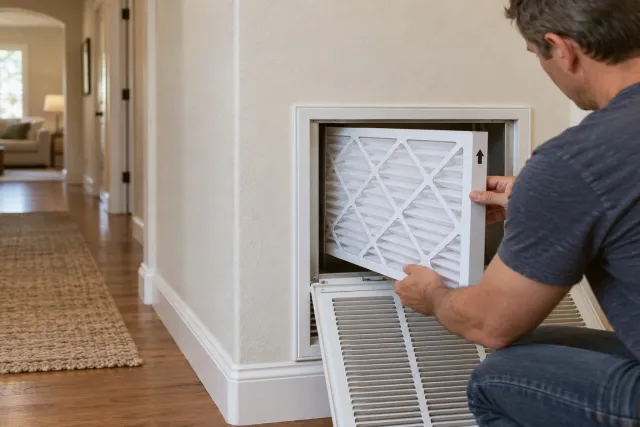
 How often should you change your air filter in San Antonio?
There is no single right number of weeks. A long cooling season, pets, pollen and the type of filter all change the answer. The simplest rule: check it monthly and change it when it looks dirty.
-
 Maintenance
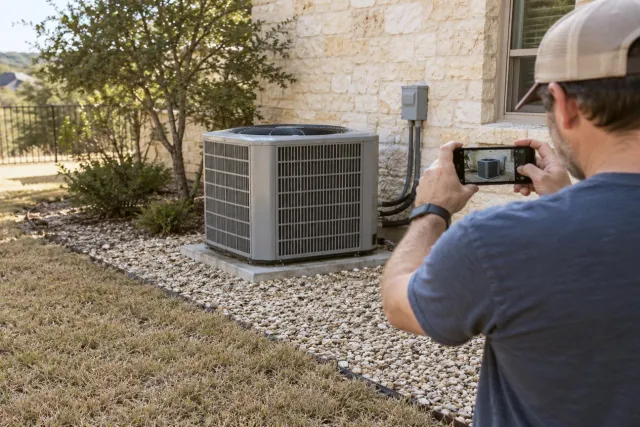
 What to have ready before you request service
A few details about what your system is doing, when it started and how to reach it make the first visit faster and the diagnosis clearer.
-
 Cooling
 Why is my AC blowing warm air?
Warm air from the vents has a handful of common causes, from a thermostat setting to a failed part at the outdoor unit. Here is what you can check safely, and what is worth a visit.

Next step
Let’s make the next step clearer.
Tell us what your system is doing and what kind of help you need. Coverage and appointment details are confirmed after contact.